
Car Pulling to One Side? Causes and How to Fix It
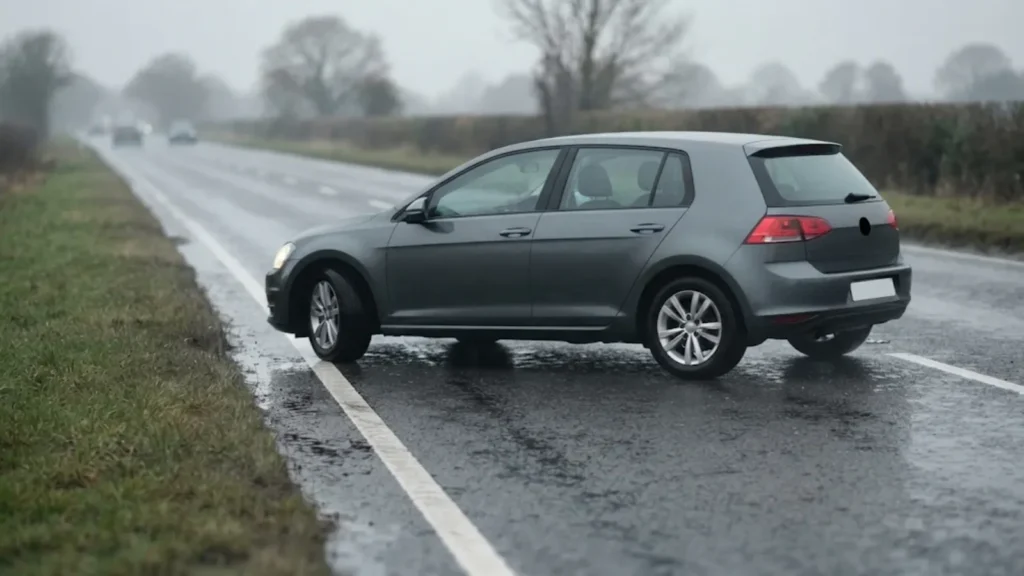
Car pulling left or right when driving or braking? Learn the likely causes, from tyre pressures to alignment and sticking brakes, and what to check first.
If your car pulls to one side, start by checking the tyre pressures, because uneven pressure is the simplest cause to rule out. If the pressures are correct, the likely culprits are wheel alignment, uneven tyre wear, a sticking brake or worn steering and suspension parts. A car that pulls is tiring to drive and can wear tyres quickly, so it is worth finding the cause.
First, rule out the road
Most UK roads are built with a slight camber so rainwater drains to the side. That means many cars drift gently towards the kerb on an ordinary road. If the pull disappears on a flat, level surface, such as an empty car park, the car may be fine. If it pulls on level ground, or the pull has appeared suddenly, something has changed.
Does it pull while driving or only when braking?
This is the most useful question to answer, because it separates the causes into two groups.
Pulling while driving
- Uneven tyre pressures. A tyre that is lower than the others creates more drag on that side. Check all four tyres when they are cold, using the pressures in the handbook or on the sticker inside the driver’s door or fuel filler flap.
- Wheel alignment. Hitting a pothole or kerb can knock the alignment out. Signs include the steering wheel sitting off-centre when driving straight and tyres wearing on one edge. Our guide to wheel balancing versus wheel alignment explains what the adjustment involves.
- Tyre problems. Mismatched tyres on the same axle, uneven wear or a tyre with an internal fault can all cause a pull. Swapping the front tyres from side to side is one way a technician confirms a tyre-related pull.
- Worn steering or suspension parts. Worn track rod ends, ball joints or suspension bushes can let the wheel move out of position. You may also notice knocking over bumps or vague steering.
Pulling when braking
- A sticking brake caliper. If one caliper does not release fully, that wheel drags. Warning signs include a burning smell after driving, one wheel noticeably hotter than the others and reduced fuel economy. See our guide to brake caliper problems.
- Uneven brake pads or contaminated discs. Oil or brake fluid on a disc, or pads worn unevenly, can make one side brake harder.
- Worn suspension bushes. Under braking, worn bushes can let the wheel shift, pulling the car to one side.
A car that pulls when braking should be checked promptly, as it suggests the brakes are not working evenly.
Car drifting to one side?
Enter your car registration and postcode to get an instant quote. Every job comes with a 12-month parts and labour warranty from the mechanic who does the work.
What you can check yourself
- Check and correct all four tyre pressures when the tyres are cold.
- Look at the tread across each tyre. Wear on just the inner or outer edge points to an alignment issue.
- Check the tyres for cuts, bulges or objects stuck in the tread.
- After a drive, carefully hold your hand near (not on) each wheel. A wheel giving off much more heat than the others may have a dragging brake.
The legal minimum tread depth for cars is 1.6mm across the central three-quarters of the tyre and around its whole circumference. Our guide to MOT tyre rules covers what testers look for.
Is it safe to keep driving?
A slight drift that only appears on cambered roads is not usually urgent. A strong pull, a pull that has appeared suddenly, or any pull under braking should be checked as soon as possible. Constantly correcting the steering is tiring, reduces your control in an emergency and wears tyres unevenly. If the car also shakes at speed, our guide to a car shaking or vibrating may help.
Could it affect your MOT?
The MOT does not test wheel alignment directly, but it does inspect tyres, steering, suspension and brake performance. Tyres worn to the limit, worn steering joints or uneven braking can all be recorded as defects under the MOT inspection manual. If your MOT is coming up, it makes sense to sort a pull first.
Getting it fixed
A mechanic will check the tyres, steering and suspension components and the brakes before recommending an alignment, so the underlying cause is fixed rather than just the symptom. Depending on what they find, the repair may be replacement tyres, suspension repairs or brake work.
Frequently asked questions
Why does my car pull to the left?
A slight pull to the left is common on UK roads because of road camber. If it pulls on flat ground, check tyre pressures first, then have the alignment, tyres and brakes inspected.
Can low tyre pressure make a car pull?
Yes. A tyre with lower pressure than the one on the opposite side creates more resistance and can make the car drift towards that side.
Why does my car pull when I brake?
Pulling under braking usually means one brake is working harder than the other, often due to a sticking caliper, uneven pads or contaminated discs. Have it checked promptly.
Will wheel alignment fix a car pulling to one side?
Often, but not always. If the cause is a tyre, a worn suspension part or a sticking brake, an alignment alone will not fix it. Those need to be checked first.
Image: AI-generated illustration.