
UK Private EV Keepership Rises by Almost 100,000: What the Figures Mean
Official DfT figures show 99,676 more electric cars under private keepership between March and June 2026. We explain the dates, definitions and charging context.
The UK had 960,009 battery-electric cars registered to private keepers at the end of June 2026, up from 860,333 at the end of March. That is an increase of 99,676, verified against Department for Transport table VEH0142 after the AA highlighted the figures in a 21 October report.
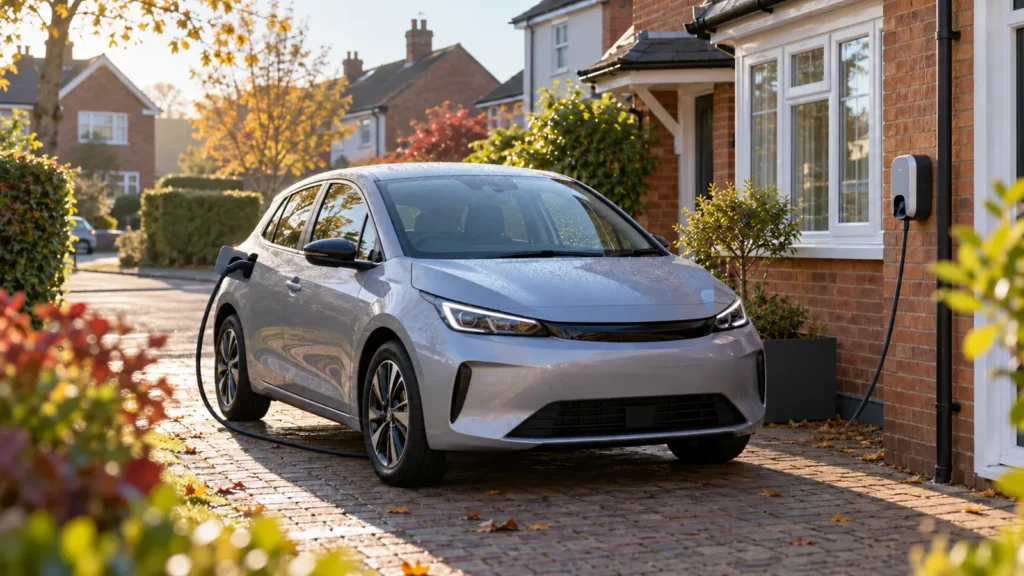
Image: original AI illustration of home charging, not a photograph of a particular customer or vehicle brand.
What changed between March and June?
DfT counts licensed vehicles at quarter end. This comparison is between the end of March and the end of June.
The AA’s October report analyses earlier quarterly data.
Private keepership is not the same as new-car sales
A registered keeper is the person or organisation recorded for the vehicle; DfT explicitly notes that the keeper may not be its owner. A change in the number of licensed cars is also different from first-time registrations. It should not be described as 99,676 newly manufactured EVs sold to private buyers.
Why charging access matters to the story
The AA argues that high pump prices and access to home charging can make EV running costs attractive. It also cautions that drivers relying on ultra-rapid public charging may not see the same savings. That distinction is more useful than assuming every electric-car driver pays an identical cost per mile.
A practical comparison for your own driving
Before choosing a vehicle, make a short list of the journeys you actually need it for, where you could charge and the tariffs available there. Compare the exact car and charging arrangement, rather than treating a national ownership trend as a personal cost prediction.
- Charging routine: identify a realistic place to charge at home, work or in public, including an alternative if it is unavailable.
- Vehicle information: check the manufacturer’s UK specification, service requirements and warranty conditions for the version you are considering.
- Current car: keep necessary maintenance separate from a possible future purchase. Read our low-mileage servicing guide if you are using it less while weighing your options.
Related reading
- Updated Hyundai IONIQ 6: UK price and planned deliveries
- Cross-pavement charging in England: the planning changes
- Comparing car service quotes
Book it with HON CAR SERVICE
Explore available service options for the vehicle you own. Work and availability depend on the vehicle, location and provider.
Sources and method
DfT vehicle licensing tables: VEH0142, battery-electric cars, UK, private and total keepership rows, columns 2026 Q1 and Q2; figures checked directly on 22 October. Gareth Jones, AA: private EV analysis, 21 October 2026. No universal charging-cost saving is assumed.