
Diesel Prices Pass £2 a Litre: Practical Ways to Reduce Fuel Use
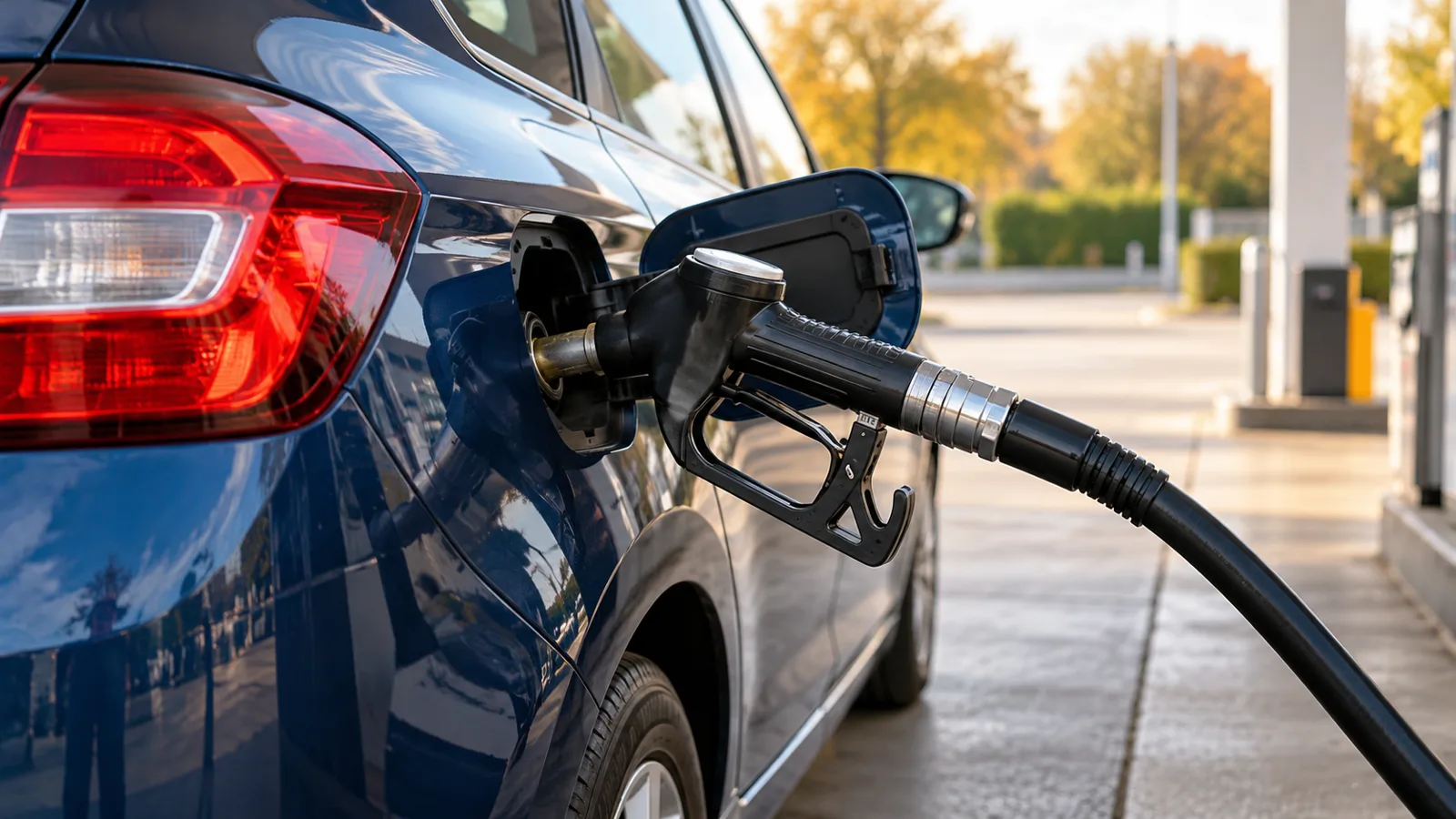
UK average diesel prices passed £2 a litre on 2 October. Understand the costs, practical fuel-saving steps and the role of sensible vehicle maintenance.
The UK average diesel price passed £2 a litre on 2 October 2026, reaching 200.01p according to the published fuel-price report. The figure is a national average: individual forecourts may charge more or less.
For drivers facing higher running costs, the practical response is to compare prices, avoid unnecessary fuel use and keep essential maintenance on schedule. A service is not a guarantee of cheaper fuel bills, but addressing vehicle faults can help avoid preventable inefficiency.
Check the service options for your registration and postcode.
What does £2 a litre mean for a fill-up?
At 200.01p per litre, buying 50 litres of diesel costs approximately £100.01. That is an illustrative calculation using the reported average, not a quote for a particular petrol station or the cost of filling every car.
Check local pump prices before setting off, while allowing for the extra distance and fuel involved in reaching a cheaper forecourt. The reported figure is dated 2 October; prices can change after publication.
Practical ways to reduce unnecessary fuel use
- Drive smoothly. Look ahead, leave a safe following distance and ease off early when traffic slows, rather than repeatedly accelerating and braking hard.
- Check tyre pressures. Under-inflated tyres can increase fuel use. Check them monthly and before long journeys, following your vehicle handbook's pressure and load guidance.
- Remove unused roof equipment. Roof boxes and racks increase aerodynamic drag. Take them off when they are no longer needed.
- Avoid unnecessary loads and journeys. Remove items you do not need and combine suitable errands where practical.
- Keep within speed limits. Higher speeds can increase fuel consumption. Choose a safe speed for the conditions, rather than chasing a fuel-economy target.
Can servicing improve fuel economy?
It depends on the car's condition. Following the manufacturer's maintenance schedule and using the specified oil and replacement parts supports correct vehicle operation. If your car is already well maintained, a routine service may not produce a noticeable change in fuel economy.
If consumption rises unexpectedly, do not assume an oil change will fix it. Changes in journeys, weather, tyre pressures or a mechanical fault may be involved. Describe the symptoms when arranging an inspection, especially if there is a warning light, poor running or an unusual smell. A suspected fuel leak needs prompt attention.
Our guide to what is included in a car service explains how service scope varies. An MOT and a service have different purposes; a current MOT does not replace scheduled maintenance.
Keep safety separate from fuel savings
Do not delay essential brake, tyre or other safety repairs to reduce your motoring budget. Fuel-saving advice should never involve over-inflating tyres, coasting in neutral or ignoring warning lights. Follow the handbook and seek advice when a symptom is new or worsening.
Enter your registration and postcode to explore suitable booking options.
Related articles
- What Is Included in a Car Service?
- Should You Book Your MOT and Car Service Together?
- Wheel Balancing vs Wheel Alignment
Sources and reporting dates
- Original national diesel-price report, published 2 October 2026.
- Energy Saving Trust: efficient driving guidance.
HON CAR SERVICE reporting date: 6 October 2026. Fuel prices are historical figures for the stated date, not live prices. Hero image is an original AI-generated illustration, not a photograph of a named forecourt.
Explore car servicing or diagnostic inspection options for your vehicle.
Check booking options