
Drivers Delay MOTs and Repairs as Costs Rise: What to Prioritise
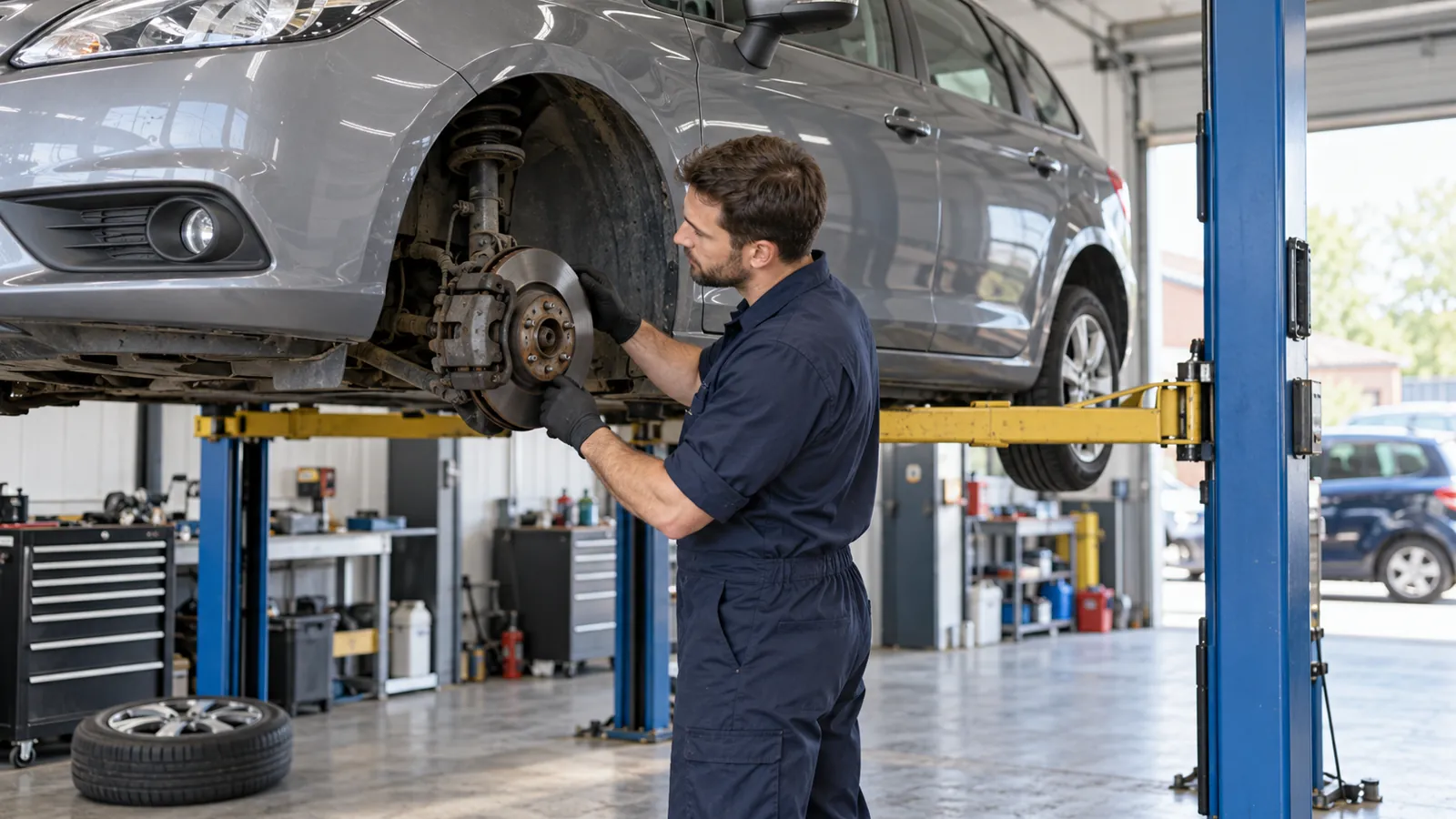
September research highlights pressure on maintenance budgets. Plan your MOT and repairs, understand priorities and avoid delaying essential safety work.
Rising maintenance costs are prompting some drivers to put off essential work. A motoring survey published on 1 September 2026 found that 10% of respondents had avoided an MOT or not replaced worn tyres. The findings are a reminder to plan costs without postponing safety.
The research describes drivers' reported behaviour; it does not mean every motorist is delaying repairs. For anyone facing a tight budget, the practical question is how to separate urgent safety work from maintenance that can be scheduled.
Planning maintenance around your budget?
Explore booking optionsWhat the September report found
In the survey, 60% said maintaining and repairing their car had become more expensive over the previous year, while 32% were worried about maintenance costs. Those are reported experiences, not a quote for repairing your particular vehicle.
Repair costs depend on the fault, the car and the work needed. A headline average cannot tell you whether a diagnosis or proposed repair is appropriate.
Start with your MOT expiry date
Check the actual expiry date rather than relying on memory. In Great Britain, you can usually have the test up to one month minus a day before expiry and retain the renewal date. Northern Ireland has different arrangements.
If the MOT has expired, normal road use is not permitted. Limited exceptions include travel to a pre-arranged test or to or from repairs; the car must still be safe. Consult the official guidance before relying on an exception.
A current MOT is not a maintenance guarantee
The vehicle must remain roadworthy between tests. A pass does not mean that a new fault can be ignored, nor does the test replace the service schedule in the manufacturer's handbook.
Keep the MOT and routine servicing as separate items in your budget. Combining appointments can be convenient, but it does not guarantee an MOT pass or eliminate the need for repairs.
Ask for a clear order of work
If a quote includes several jobs, ask the technician to explain:
- Which items affect whether the vehicle is safe to drive?
- Which work is needed for the current fault or MOT result?
- What can be planned for later, and what is the recommended timescale?
- What parts and labour are included, and how will additional work be agreed?
Do not decide that a safety concern can wait solely because the car still moves. If its condition is uncertain, get advice before driving it further.
Use records to make decisions easier
Keep previous invoices, MOT results and the service history together. Give the workshop a clear description of the symptom, when it occurs and any recent work. This provides context without pretending to diagnose the fault yourself.
Ask for the scope and price in writing where available. If further investigation is needed before a repair can be priced, clarify the investigation cost and the approval process first.
Make a realistic maintenance plan
Note the next MOT date and the service schedule, then plan ahead for those known appointments. Unexpected faults cannot always be predicted, but a record of upcoming maintenance gives you a clearer starting point.
Hon Car Service lets you explore booking options for your vehicle and postcode online. Choose the relevant work and check the details rather than treating a general news figure as the price of your repair.
Check the options for your vehicle
View car servicingRelated articles
Book it with HON CAR SERVICE
Choose the work you need and check the available options for your vehicle and postcode.
Sources
- Original motoring survey report, published 1 September 2026
- GOV.UK: MOT dates and requirements
- GOV.UK: vehicle roadworthiness
Published 6 October 2026, reporting on September research. The accompanying image is an original AI-generated illustration, not a customer case.